
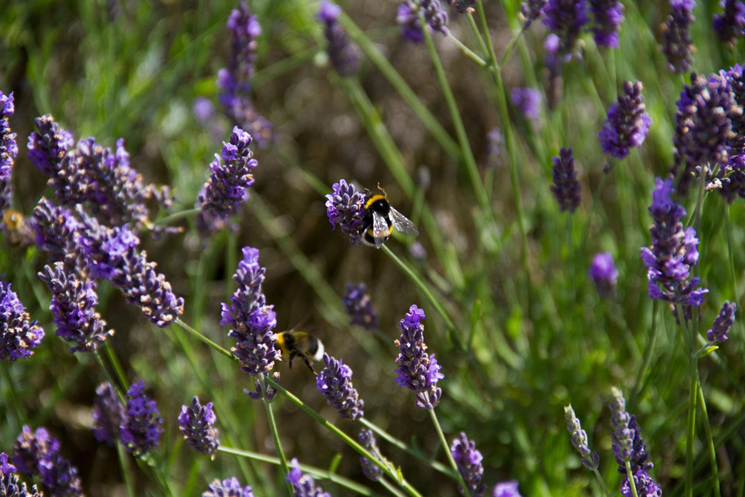
Pollinators are one of the most important groups of visitors to your garden. Bees, butterflies, hoverflies and other insects play a vital role and without them, many of the plants we rely on for food and beauty simply wouldn’t survive.
The good news? With a few thoughtful choices, any outdoor space – large or small – can become a haven for wildlife.
Why Pollinators Matter
Pollinators fertilise plants by transferring pollen from one flower to another, which allows plants to produce seeds, fruits and vegetables. However, pollinator numbers have declined in recent years due to habitat loss, pesticide use and climate change. But our gardens can play a crucial role in reversing that trend by providing safe spaces full of nectar and pollen.
Choose the Right Plants
The foundation of any pollinator-friendly garden is plant selection. Not all flowers are equally useful to insects, so it’s important to choose varieties that are rich in nectar and easy to access.
Some of the best options for UK gardens include lavender, foxgloves, echinacea, alliums and wildflowers such as poppies and daisies. Whenever possible, opt for single-flowered varieties rather than heavily bred doubles as they often produce little to no nectar, making them far less useful to pollinators.
Plan for Year-Round Interest
A truly pollinator-friendly garden provides food across the seasons. Think about planting in layers throughout the year; by staggering your planting, you’ll ensure pollinators always have something to feed on whenever they’re active.
Create a Natural Environment
Pollinators thrive in gardens that feel a little less ‘perfect’. While tidy lawns and neat borders have their place, leaving some areas slightly wild can make a big difference. Consider letting a patch of lawn grow longer to encourage wildflowers or creating a small wildflower meadow. Even a small corner left untouched can become a valuable habitat.
Go Easy on Chemicals
Try to reduce – or eliminate – the use of pesticides and herbicides as many harm beneficial insects. Instead, try natural alternatives such as encouraging ladybirds and birds to control aphids or using companion planting to deter pests. A garden buzzing with life is rarely a pristine one – and that’s a good thing.
Provide Water and Shelter
Just like any other living creature, pollinators need access to water and safe places to rest. Simple additions can make a big impact, like a shallow dish of water with pebbles for bees to land on, flat stones where butterflies can bask in the sun or log piles or undisturbed corners for shelter.
By planting thoughtfully and gardening with nature in mind, you’re not just improving your own outdoor space – you’re helping to protect an essential part of our ecosystem.