
Planting bulbs in the autumn creates an optimism and air of anticipation for spring, when everything bursts into life and many of the bulb specialists, mail order and online suppliers are offering new types and more choice than ever.
Here are just a few of the best bulbs for planting this autumn:
:: Crocus ‘Vanguard’ – This pretty lilac specimen bridges the gap between smaller-flowered, earlier crocuses and the March-flowering giants derived from C vernus. It needs good drainage and an open, sunny position to flower and looks good in drifts in grass mixed with short, early narcissi such as ‘Jetfire’. (www.suttons.co.uk)
:: Hyacinth ‘Prince of Love’ – Double-flowered hyacinths are a rarity, but this dramatic and fragrant variety with its densely-packed flower spikes looks great in beds, borders or patio pots. (www.suttons.co.uk)
:: Allium ‘Silver Spring’ – A recent introduction from Israel, the white lollipop flowers on 75cm stems are unique, with each floret sporting a distinctive deep-pink centre. It flowers in May and June and is widely available. (www.dutchbulbs.co.uk)
:: Tulipa clusiana ‘Peppermint Stick’ – Not new, but worth a try. This pint-sized tulip, which grows to just 25cm, produces dainty flowers in April with deep rosy-red outer petals just edged silvery white. The inner petals show a deep steel-blue base when open in the sun. They originate from the Mediterranean and the Far East, and are popular in
rockeries and wild gardens, or can be naturalised. (www.avonbulbs.co.uk; www.miniaturebulbs.co.uk; www.gee-tee.co.uk).
rockeries and wild gardens, or can be naturalised. (www.avonbulbs.co.uk; www.miniaturebulbs.co.uk; www.gee-tee.co.uk).
Best of the bunch – Echinacea
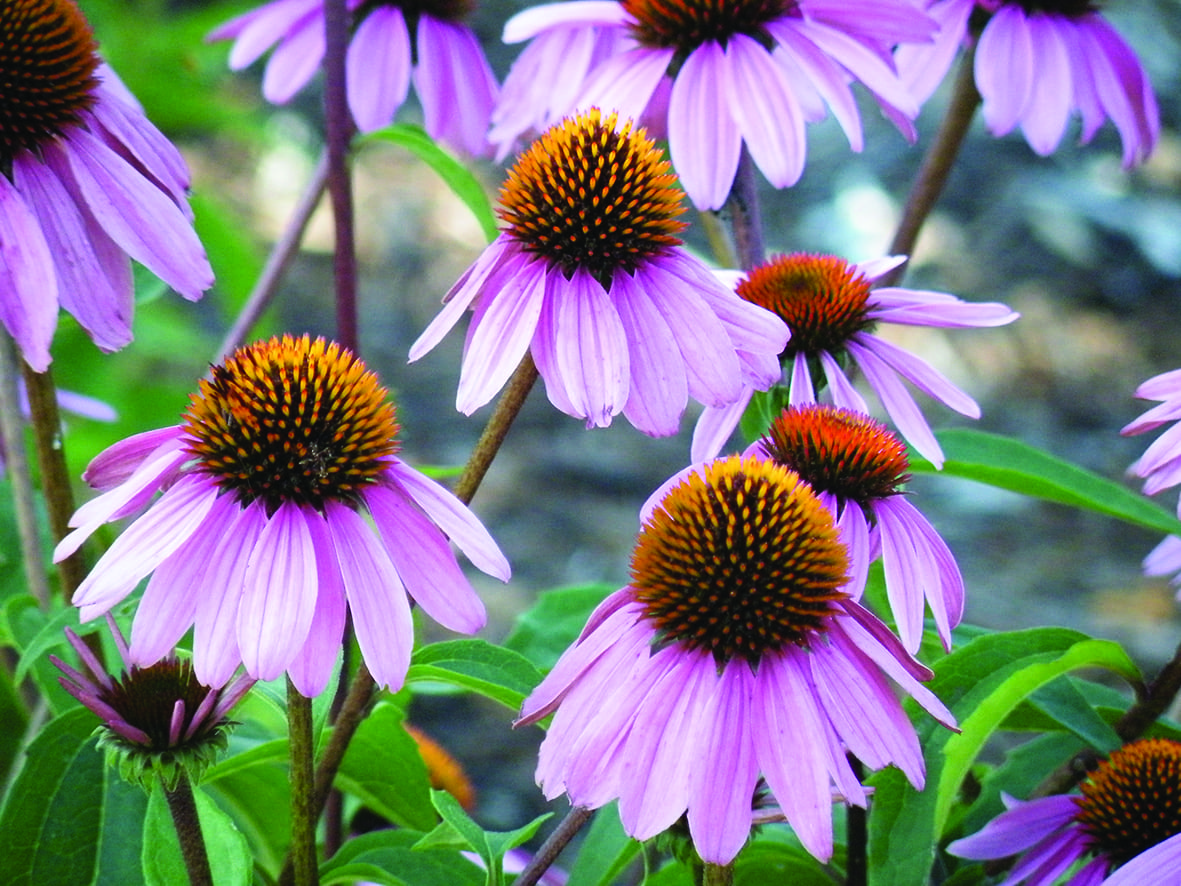
It’s not only medicinal but the coneflower, which is closely related to the rudbeckia, looks great too. It brightens up beds and borders with its daisy-like flowers in shades of purple, pink and white, with contrasting coloured central cones.
These tall perennials from dry prairies and open woodland look fantastic in the late summer border, as the central cone of the flower stands proud of its petals.
The flowers last for around two months and also make great cut flowers. They make good companions for other late-flowering perennials including rudbeckias and sedums, while the seedheads also look good in the winter.
Its coneflowers are also pollen-rich, so will attract plenty of bees and butterflies. They need deep, fertile, well-drained soil with added organic matter and do best in full sun.
When the flowers fade, cut the stems back to encourage more blooms. Clumps can be divided in spring or autumn, and root cuttings taken in late autumn.
Good varieties include E Purpurea ‘Magnus’, which grows to 1.5 metres high and produces whopping 18cm deep-pink flowers from midsummer to early autumn. E purpurea ‘Green Edge’ produces creamy white flowerheads with a green central cone.