
How to keep pets happy during the winter chill
PDSA vet Vicki Larkham-Jones, says: “We can put on thick warm clothes to keep out the cold, but pets can’t do this themselves. Despite their fur coats our pets do feel the cold, but with a bit of attention we can help them to stay warm and cosy.”
To help owners, Vicki has put together some top tips for pets this winter:
Cats and dogs
Ensure cats and dogs always have access to shelter and warmth. Pets can develop a dangerously low body temperature (hypothermia) quite quickly; if you spot any shivering bring your pet into the warmth straight away.
· Never leave pets in cars or unheated conservatories and caravans, as the temperature can drop rapidly.
· Young and elderly pets get cold very quickly, so should only go outside for short supervised periods, and only if they want to.
· Dogs should wear a suitable dog coat. A layered coat is ideal – waterproof on the outside to avoid your dog getting wet with a fleecy layer that you can remove as your dog gets warm after exercise.
· It’s better to keep cats indoors during dark winter nights, although if your cat is used to going out they could get a bit grumpy, so have plenty of toys and activities available to prevent them getting bored.
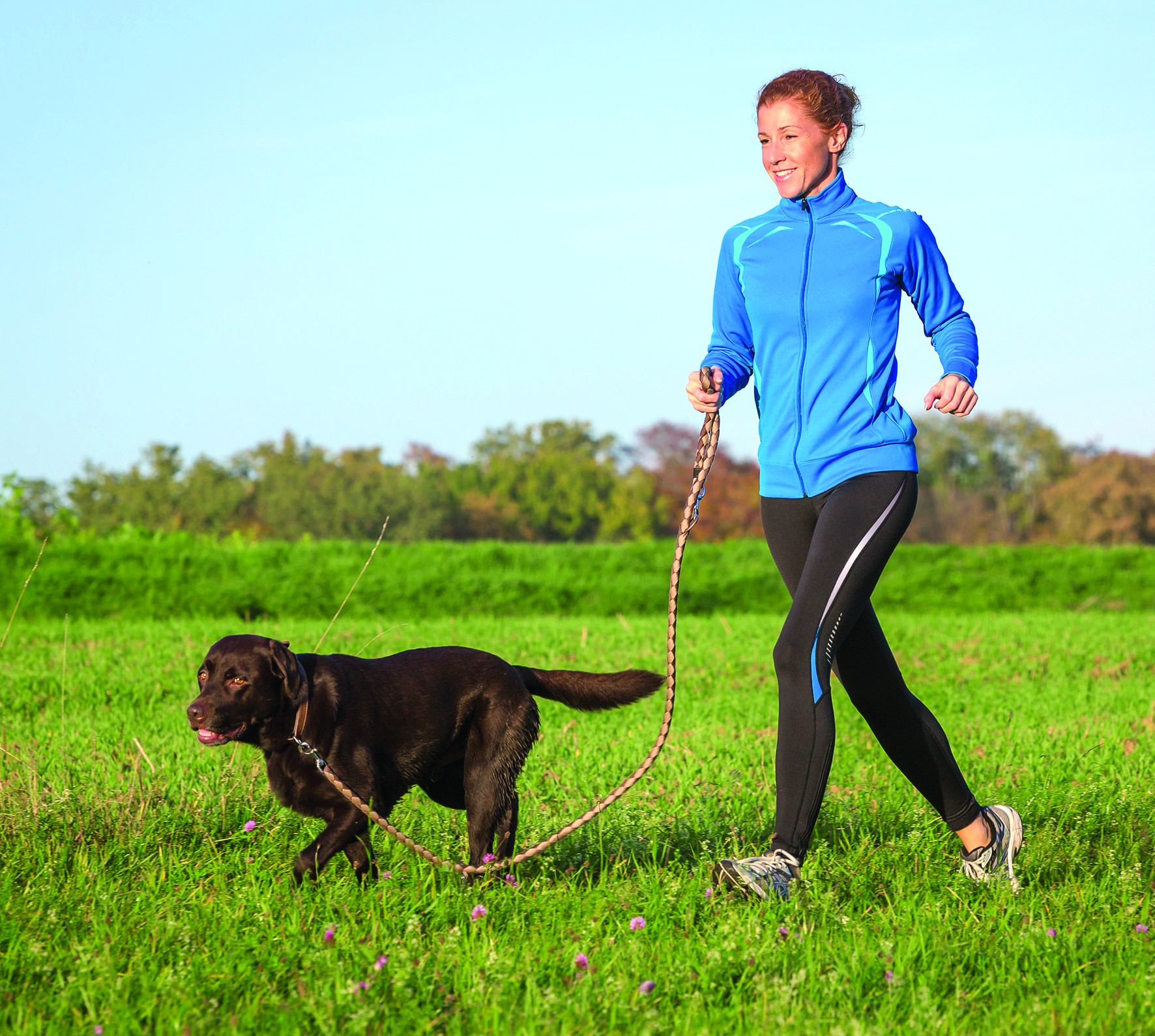
· Take your dog on shorter walks more often, and if they get wet be sure to towel them dry as soon as you get home, or use a hair dryer on a low setting held a fair distance away to avoid burns.
· Don’t let pets lie on frozen ground for a prolonged period, as this can lead to frostbite.
· Protect your pet’s feet from ice, grit and salt by keeping the hair between their toes trimmed, and wipe their feet dry after a walk. Special boots are also available for dogs to help keep their feet warm and toasty.
· Wear a high visibility jacket yourself and use reflective clothing and collar and lead on your dog if you have to walk them as it starts to get dark, as this reduces the chance of accidents.
Small pets
Guinea pigs should be brought inside during the winter – a car-free garage or shed is ideal, but they still need access to daylight and an exercise run.
If it becomes very cold rabbits also need to be moved to a warm shed or car-free garage.
Check drinking bottles daily to make sure they’re not frozen.
Provide extra bedding to help keep them warm, and put a blanket or piece of carpet over hutches to help keep out draughts – but make sure it doesn’t obstruct ventilation though.