
Over recent months, many of us have grown to appreciate our outdoor space, and the creatures who sometimes pay a visit. Sadly, however, many gardens are losing their link with wildlife – front gardens are being concreted over to create driveways, and lawns and beds are being cut back to make room for decking. We’re so concerned with design that we don’t consider nature.
Encouraging wildlife can be as simple or complicated as you wish; you might like the idea of helping British bugs to thrive, encouraging birds, observing butterflies, giving shelter to mammals or giving a habitat to increasingly endangered aquatic species. What is important to remember is that animals of all kinds need food, shelter and safety – give them these three things and you could be part of a push to save British wildlife from becoming as extinct as the dodo.
Bird feeders and bird houses are an easy way to encourage birds into your garden. Keep feeding tables close to shelter to avoid larger overhead predators but keep them away from fences or walls where cats can reach them.
Ponds that are at least 18cm deep and surrounded by good plant cover are excellent to encourage frogs, newts (many of which are very endangered), insects and water snails. Stock well with oxygenating plants and dot leaf piles and rocks around the garden to allow frogs plenty of places to
hide as they hop about the place. Don’t be too ready to obliterate slugs and snails which provide valuable food for amphibians.
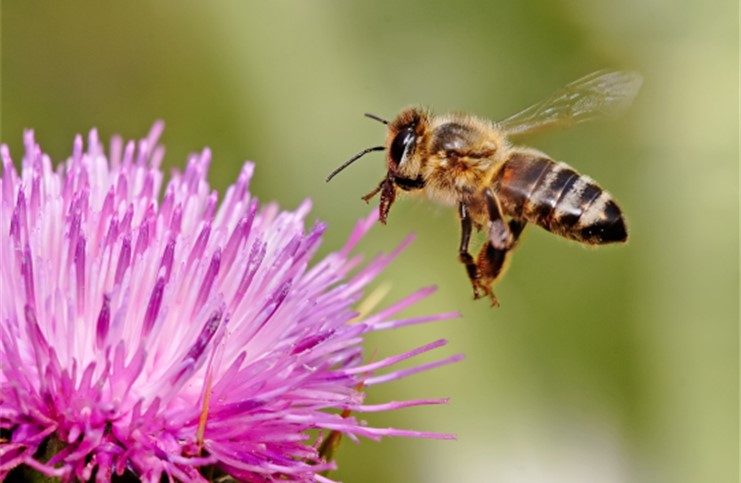
The good old British bumblebee is set to become a thing of the past if we don’t begin lending it a hand. So rather than running screaming in the opposite direction – bees are far less likely to sting than wasps as the sting will kill them and they are excellent helpers in a flower garden – provide them with a shop-bought bumblebee box or even get crafty and build your own. Add plenty of pollen-rich flowers for food and watch as your back garden starts to buzz.
Log piles in a quiet, undisturbed corner are just the ticket for hedgehogs, a creature that no Brit could not wish to see in their garden. Although hedgehog houses are available, a simple pile of old wood can also provide shelter for any number of other wild creatures.
When it comes to planting, concentrate on native wildflowers which provide pollen and nectar that local wildlife can feed on and consider leaving grass longer for cover.