
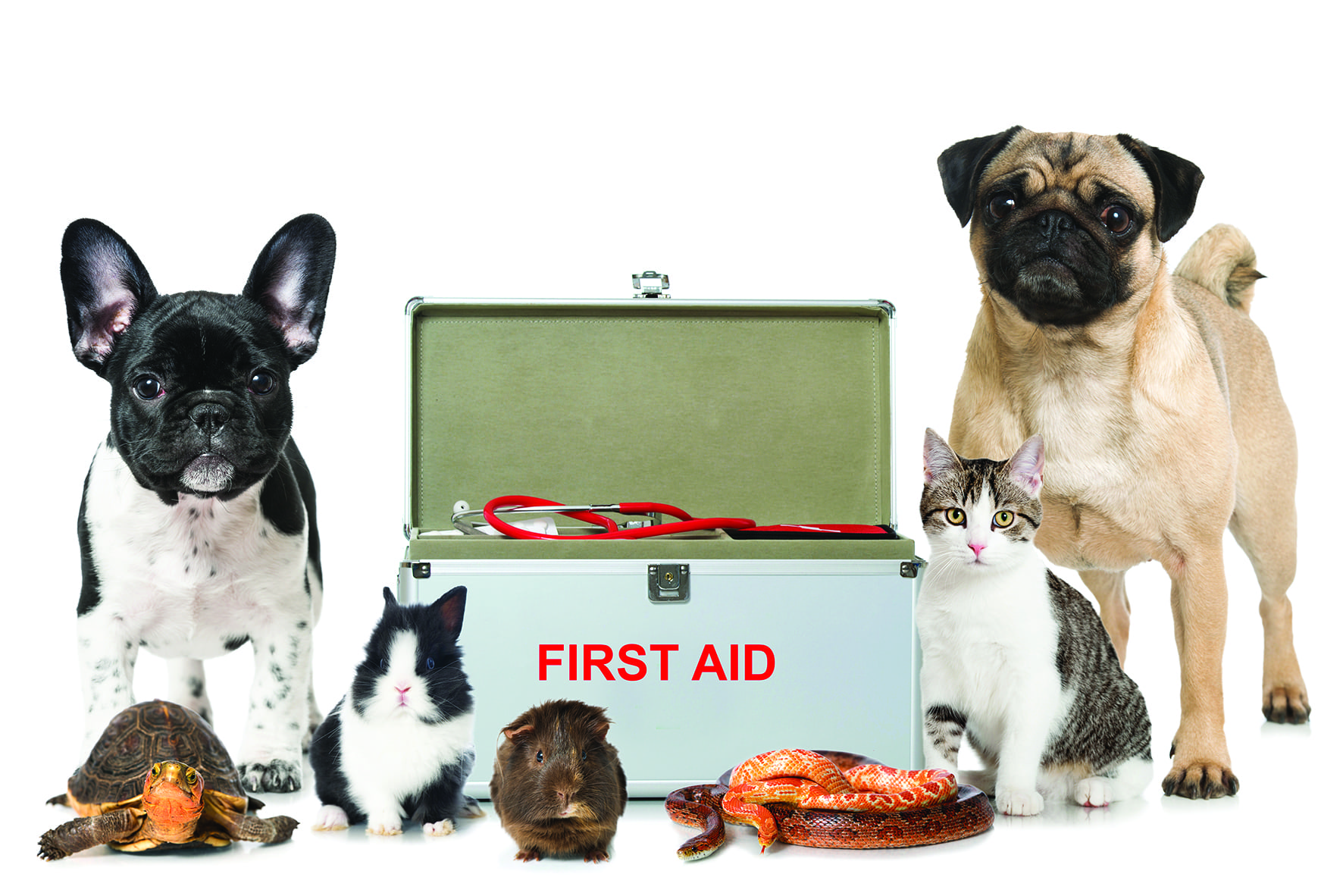
Many of us will have a basic understanding of first aid for humans, but would you know what to do if your pet was involved in an accident?
PDSA Vet Rebecca Ashman gives her top tips for keeping a cool head and making sure that you take the right decisions in times of emergency. Rebecca says: “Seeing a much-loved pet injured or in pain because of an accident can be very distressing, but by being prepared we can take some of the pressure off in the event of an accident.
“One of the most important pieces of information that can help in an emergency is your vet’s phone number, so store it in your mobile or make sure it’s close to hand. It’s also a good idea to have a pen and paper handy in case you need to write down any instructions your vet may give you.”
Phoning your vet before going to the practice not only gives you immediate advice, but also allows the practice to prepare for your arrival. Some emergencies may need to be seen at a different site from your regular practice, particularly out of hours, so it’s always worth phoning before setting off.
Keeping a pet first aid kit at home and when out and about is also useful.
Rebecca adds: “Pet first aid kits contain the usual things we’d expect to find in regular human kits, such as bandages, dressings and gloves, but also will have useful pet-specific items such as tick tweezers.”
In the event your pet is seriously injured, follow these steps to help them:
· Don’t panic – take a few seconds to stop and calmly think about the situation. Staying calm will help reassure your pet.
· Check your pet’s ABC vital signs: A – check for a clear airway, B – how are they breathing? C – check their circulation by noting the colour of their gums, ideally they should be pink.
· Check for wounds, bleeding and any abnormal areas. If an area is bleeding excessively then tie a bandage or towel around the area. Nappies or sanitary towels placed directly on the wound are good absorbers.
· Animals that are scared or in pain can bite or scratch. Approach them from the front so they can see you, talk calmly to them and if necessary use blankets to cover your pet’s head while you are doing your checks
· Call your veterinary practice – explain what has happened and give them the details of the ABC vital signs. This will let the vet or nurse know the urgency of the condition.
· Don’t give your pet any food, drink or medication unless your vet tells you to do so
· If you need to transport your pet, use a stretcher to minimise movement and blankets and duvets to minimise pain.
· Drive safely and make sure you are talking calmly to your pet throughout the journey to calm and reassure them.
For more information about pet first aid visit www.pdsa.org.uk/firstaid. In association with PDSA Petsurance – selected by our vets, loved by pets.
www.pdsa.org.uk/petinsurance 0800 980 6000
PDSA is the UK’s leading vet charity. We’re on a mission to improve pet wellbeing through prevention, education and treatment. Funding from players of People’s Postcode Lottery helps us reach even more pet owners with vital advice and information. www.pdsa.org.uk