
The darker days may make us feel a little low, though there is some evidence that what we eat may affect our mental well-being.
The 2017 SMILES trial was the first study in the world to demonstrate that making dietary changes can be effective in improving the mental health of those living with depression. Previous studies had shown that higher intakes of fruit, vegetables, whole grains, fish and lower intakes of highly processed and sugary foods were consistently associated with better mental health outcomes. The SMILES trial, being a gold standard randomly controlled trial, saw the further benefit of following a modified Mediterranean Style Diet. Based on this trial there may be certain foods that help our mood and mental well-being, like:-
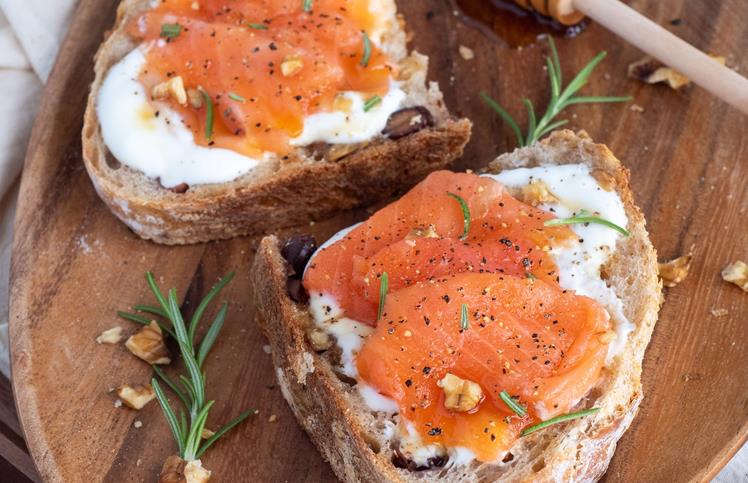
Oily Fish – they tend to be a great source of essential Omega 3 fatty acids. Our brains need them to function and as our bodies can’t make them ourselves we must get them from our diet. Part of the Omega 3 family, eicosapentaenoic acid (EPA) and docosahexaenoic acid (DHA) play a particularly important role in the brain as they form the brain cell membranes. Whether fresh, frozen, smoked or tinned, we should look to include salmon, sardines, trout, whitebait, mackerel, pilchards, and herring in our diet.
Leafy Greens – brimming with vitamins, minerals and antioxidants they may help the brain to function at its best. Spinach, watercress, rocket and varieties of lettuce are available washed and bagged and can be quickly added to our sandwich, served alongside a filled jacket potato or dressed and eaten as a ‘starter’ at dinner time. Also, spinach and other leafy greens like cabbage, spring greens and kale can be served alongside a main meal or added to a soup.
Nuts and Seeds – with a small handful as a snack, a sprinkle on our breakfast, having a nut butter on toast or choosing a seeded wholemeal bread, they may contribute to brain function. We can choose from brazils, cashews, walnuts, pecans, hazelnuts and pistachios in the nut world and seeds include sunflower, poppy, sesame, linseeds and pumpkin.
There is current interest in links between mood and the gut microbiome (the trillions of bacteria resident in the human colon) often referred to as the gut-brain axis. It is thought a diet rich in prebiotics and probiotics may support brain function and mood.
The good thing is that, as we eat several times a day, there are many opportunities to select foods that support our overall brain well-being and mood every day!
For help with reaching your optimum nutrition this year contact Nina on 07958 765337
Bridgford & Bingham Nutrition:
bridgfordbinghamnutrition@outlook.com
www.bridgfordbinghamnutrition.co.uk