
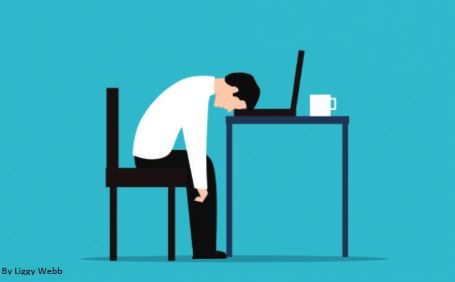
Essentially, burnout is a state of emotional, physical, and mental exhaustion caused by excessive and prolonged stress. It occurs when and individual feels overwhelmed, emotionally drained, and unable to meet constant demands.
The American psychologist Herbert Freudenberger coined the term ‘burnout’ in the 1970s. He used to describe the consequences of severe and high ideals in ‘helping’ professions. Burnout, however, can affect anyone, from stressed-out careerists and celebrities to overworked employees and homemakers.
There are practical steps that we can all follow to minimise the risk of burnout and here are six key suggestions.
- Understand that stress is not the enemy and pressure is inevitable, and your response to stress is a key driver in how it will affect you.
- Raise awareness of your own relationship with stress by understanding your triggers and responses.
- Understand stress and the physiological effect it has on your mental and physical health.
- Make a commitment to self-care and establish healthy boundaries and habits.
- Balance your lifestyle and improve your own mental and physical well-being through diet, exercise and rest.
- Create moments of sanctuary throughout your day to ensure that you replenish your energy levels so that you are a ‘human being’ rather than a ‘human doing’!
By Liggy Webb