
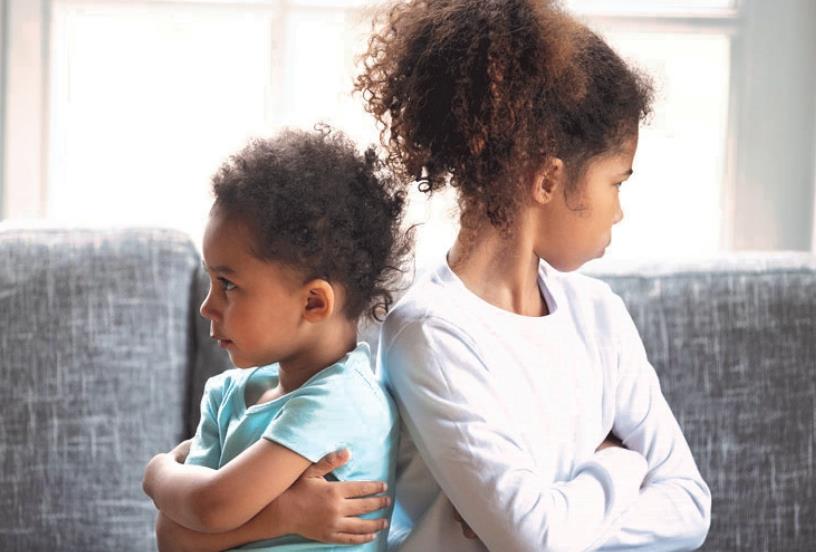
It is the dream of so many people to have a large family. After all, based on what we see from other large families and media that depict the lives of large families, it seems so fun. Your children are always playing with each other, and you can also join in on all the merriment. A house full of children and adoring parents just seems like a version of heaven. That is, until your children start fighting with each other.
While it’s true that having more than one child is exciting and rewarding, it’s also true that it can be frustrating. No matter what you do, your children will fight – maybe over some toy or maybe over an issue that’s slightly more complex. And when this happens often, you just feel tired and lost because as a parent, you’re not sure what to do to stop this from happening. To help you on this matter, here are some tips on how to handle rivalry between your children.
TEACH KIDS HOW TO HANDLE CONFLICT IN A POSTIVE MANNER
First things first, you have to acknowledge that your children will fight each other from time to time, and you need to prepare them by teaching them how to handle conflict positively and constructively. If you do this, there’s a strong chance that your children will be better at managing disagreements with each other. They will also carry this behaviour as they grow up, so they must know how to deal with conflict early on.
TRY TO FIGURE OUT WHY YOUR KIDS FIGHT
To solve a recurring problem once and for all, you must find the root of that problem. The same can be said for sibling rivalries. When your children fight often, you should ask yourself: why are they fighting? Are they fighting over something trivial? Or is there something more to it? Is one of your children jealous of the other? Do they feel like they compete against each other, so they can’t get along often? If the answer is yes, why is one of your children jealous? Why do they feel like they compete against each other? Finding answers to these questions involves you actually getting to know your children. What are their individual temperaments? Their needs? Their anxieties and feelings? Try to talk with your children and listen to all sides.
TRY NOT TO GET INVOLVED TOO OFTEN
This seems like an odd tip, but it’s a valid one. When you step in every time your children argue, you actually risk creating other problems. Your children may start expecting your help and wait for you to swoop into the rescue instead of learning to work out the problems on their own. You also risk inadvertently making it appear to one child that the other child is your favourite child, which will also cause more resentment. Likewise, the rescued child may also feel that they can get away with anything because they feel like they’re your favourite. For this reason, it’s encouraged that your children resolve the crisis on their own. Only step in when the altercation has become physical, and if you do step in, try to resolve problems with your children, not for them.
PATIENCE FOSTERS HEALTHY RELATIONSHIPS
As parents, you hope that your children will get along fine with each other, so it’s frustrating when they fight some times. Luckily, sibling rivalry is something that you can deal with, and as you get better at teaching your children how to manage disagreements, you’ll foster a healthy relationship with them. It might take time and patience, but it will be worth it.