
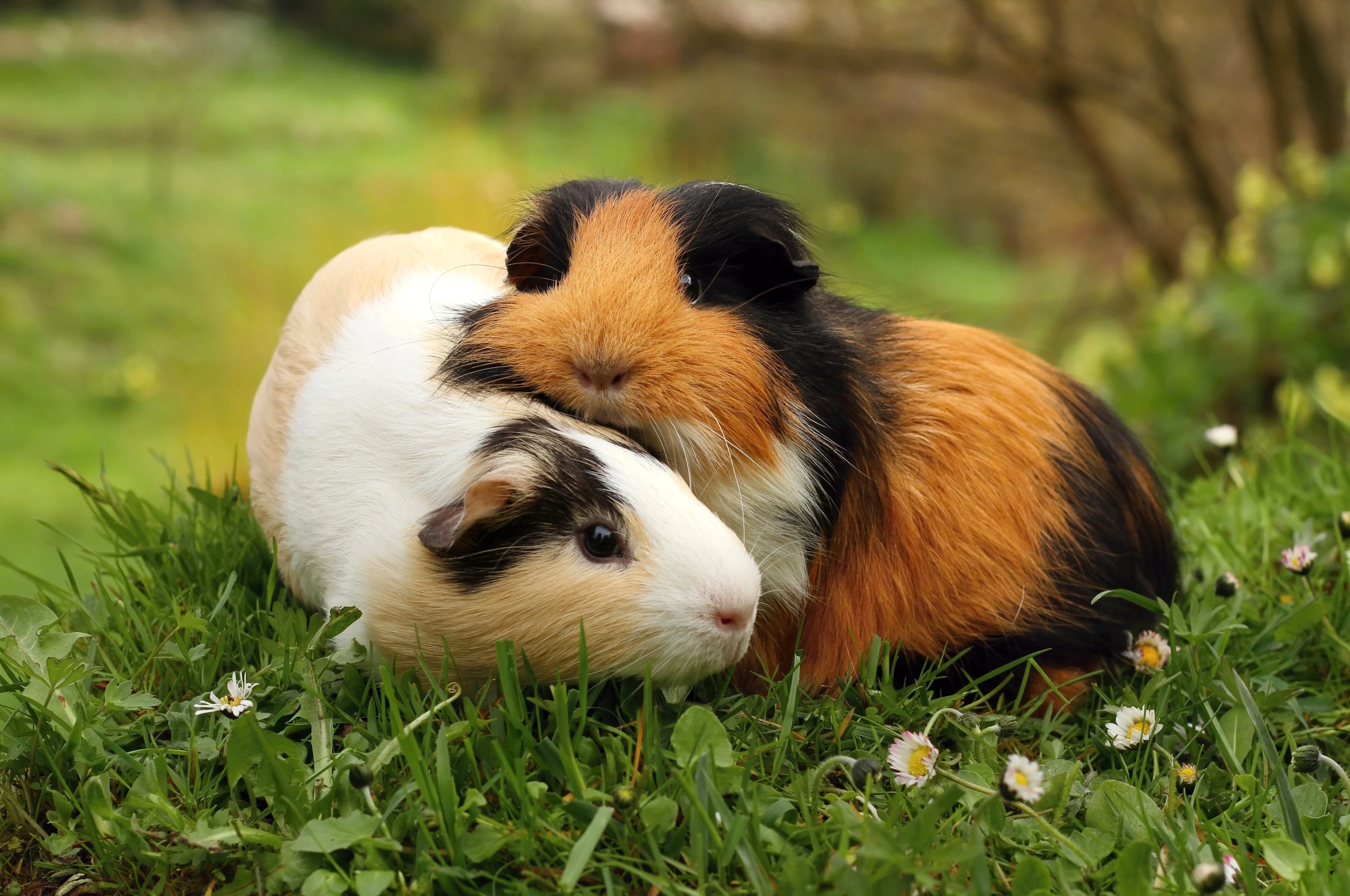
Guinea pigs make wonderful pets and have individual personalities that are both entertaining and pleasant to be around, but they also have specific needs that can be easily overlooked.
PDSA Vet Nurse Nina Downing says: “Introducing new guinea pigs to the family can exciting, but it’s important to ensure that they have everything they need.”
The right home
Guinea pigs can happily live indoors or outdoors, providing they have a large enough hutch with a cosy bedroom to snuggle up in and an additional exercise area. They’re very active and need plenty of space, as well as toys and tunnels to avoid them getting bored and to hide away in if they get scared. Guinea pigs tend to nap in short bursts throughout the day and night, so should always have access to a bedding area with clean, dry hay, straw or shredded paper.
If guinea pigs live outdoors, it’s important to be careful in bad weather as they can be sensitive to the cold. Always make sure their cage doesn’t get wet or muddy and that they can’t injure their feet on anything hard. You may need to move their run around frequently, especially if the area becomes dirty or they’ve eaten lots of the grass.
Company is key
While guinea pigs may love human company, it’s no substitute for a companion of their own kind. In the wild they live in large groups and even raise their babies together. It’s important to remember our pets are no less sociable and can easily become lonely or stressed if they don’t have a companion.
Guinea pigs can happily live in pairs, trios or small groups – if you have a mix of males and females, just make sure they are neutered to prevent any unwanted litters. Where possible, it’s a good idea to re-home siblings that have grown up together, as they’ll already be bonded.
The right diet
Guinea pigs are herbivores and need a fibre-filled diet to help keep their digestive system healthy. Most of a guinea pig’s diet should consist of hay as not only does it provide all the fibre they need, but they also rely on it to maintain healthy teeth.
In addition to hay, a daily teacup of greens will give these small furry family members all the nutrients they need. Look for guinea pig safe veggies that are high in vitamin C – it’s best to introduce these slowly if they’re not used to them to avoid an upset tummy.
All they need in addition to this is one tablespoon of pellets specifically designed for guinea pigs per day, which will supplement their diet and prevent selective feeding.
In association with PDSA Petsurance – selected by our vets, loved by pets.
www.pdsa.org.uk/petinsurance 0800 980 6000
Play the People’s Postcode Lottery to help the PDSA provide its vital service for pets across the UK.