
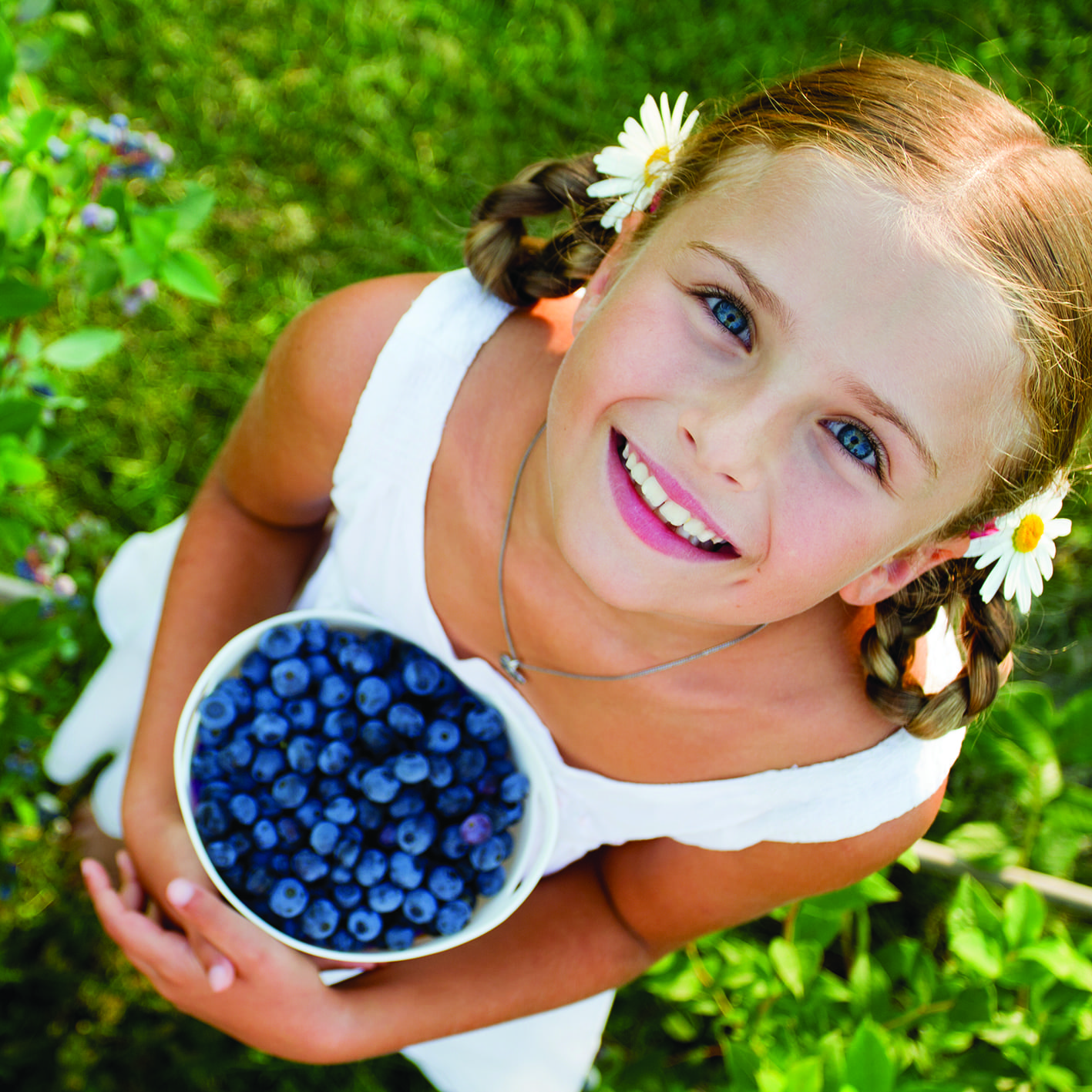
Adam Frost is not only a Gold Medal winner at this year’s RHS Chelsea Flower Show, winning the top award for his Urban Retreat Garden, but he’s also a firm believer in getting children out into the great outdoors and helping reverse the decline of British wildlife.
The State of Nature report, carried out by a coalition of conservation organisations, recently revealed that 60% of British wildlife is in decline, whilst at the same time, a further research found two thirds of British school children want to be taught more about gardening and to engage with the outdoors.
Here’s Adam’s plan for bringing kids into the garden and attracting wildlife at the same time.
Create a Planting Plan
Mix together plants that are both beneficial to people and wildlife, such as fruits,vegetables and herbs, with shrubs and perennial herbaceous plants, to create an area where there is produce for humans and wildlife. Recommended plants that attract wildlife include sunflowers, wild strawberries, thyme, herbs and firethorn shrubs which offer nectar and berries to a range of wildlife.
Grow a Selection of Salad Crops
This requires regular attention and will give children something to focus on right up until they eat them. Seeds should be watered every evening and given plant food once a week. Lettuce and other salad leaves can be sown in spring and summer.
Go Seed Collecting
Look closely for plants in your borders where flower heads have fallen off and seeds are growing. If the seeds are brown, get the children to help you pick them and put them in a warm place to dry out ready to plant for next spring.
Create a Compost Heap
This is a great way of encouraging kids to recycle garden waste and also helps them understand the natural cycle of growth and decay. Create three tightly fixed walls in your chosen area and begin filling it with organic materials such as grass clippings, weeks, straw, manure, shredded newspaper, kitchen waste, plant cuttings and soft prunings.
Take Games Outdoors
Go on a treasure hunt or play hide-and-seek to encourage children to explore the garden and stimulate their curiosity about the outdoors. If you have daisies in the garden, teach them to make daisy chains.
Set up Bird Feeding & Cleaning Stations
Birds come to gardens to feed, breed, nest and rest. To make sure your garden is accommodating, introduce a bird house, feeding station or a bird bath – all of these are a must for budding young bird
watchers. The water in a bird bath needs to be at least 2.5cm deep and should be placed in the open away from areas where cats may hide.
Store Logs
Plenty of wildlife makes its home in dead wood, and other animals use it as a source of food. Children can help make this into a proper wildlife shelter in a small, shady spot so that it remains cool and damp. If moving wood, check beforehand that nothing has already made itself at home.
Make an Insect Box or Ladybird House
Use spare or dead wood to create a small space to attract spiders, bees, lacewings and ladybirds, where they can seek refuge from predators and from the cold. Screw together four lengths of wood and fill it with hollow canes. Place the box in a sheltered area and on the fence so the insects can find it.
Families can receive further help on how to encourage wildlife into their garden by visiting the Homebase online forum www.getintogardening.co.uk