
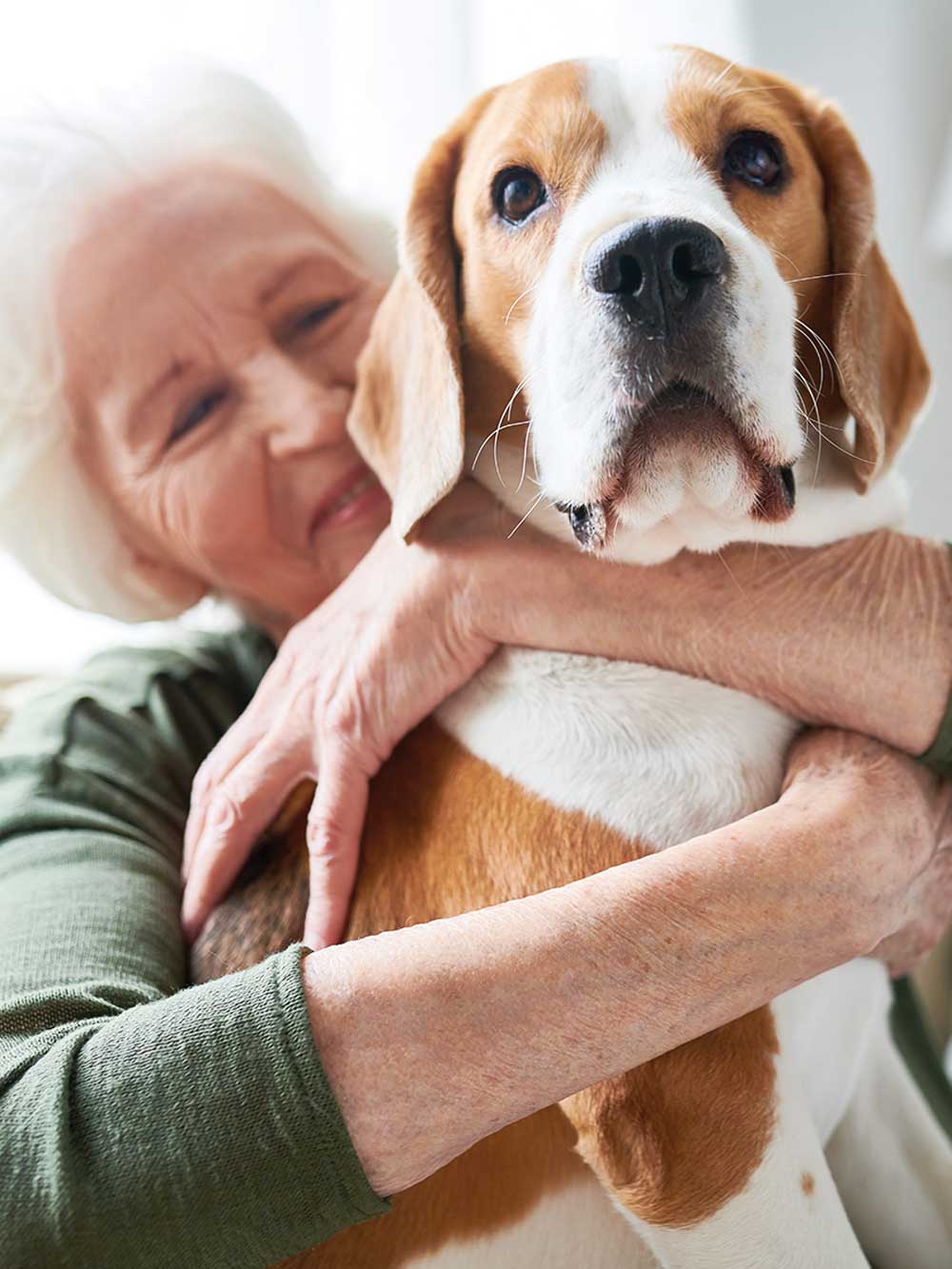
Looking after our pets takes a lot of commitment and devotion. As they age they may need more of our help, but by keeping a close eye on them they can continue to lead happy and healthy lives into their twilight years.
PDSA Vet Olivia Anderson-Nathan explains: “It’s incredibly common for our pets to start to slow down as they reach their senior years but, with a little extra care and attention, we can treat or accommodate for many of the causes. Regular six-month vet check-ups help to spot problems earlier and mean treatment can be started sooner, helping your pet continue to lead a happy and healthy life.
“It’s important pet owners don’t dismiss signs of disease as inevitable due to old age. Stiffness, tiredness and changes to toileting habits are just some of the symptoms that may mean there’s a problem and owners should speak to their vet to see what they can do to help their pet.”
Arthritis, dementia-like symptoms and most cancers are all more prevalent in older pets, as they are in people. Older pets are also at risk of other diseases like diabetes, kidney and liver problems and hormone imbalances. There are some subtle signs that they may be unwell that it’s good to keep an eye out for:
- Changes in weight (i.e. unexplained loss or gain)
- Changes in energy levels (most often tiredness, but an unusual increase in activity is also a symptom)
- Stiffness when standing up or walking, or lameness that’s worse after resting
- Changes in appetite (off their food, or sometimes being ravenous all the time)
- Drinking more
- Changes to toileting habits (eg, going more than usual or in unusual places)
- Bad breath or sweet-smelling breath
- New lumps and bumps or swellings
- Seeming confused
- Barking or meowing at night
If your pet shows any of these symptoms, no matter what their age, it is worth getting them checked by a vet to get any health problems treated. Treatments and management can include medication or surgery, as well as changes to your pet’s routine or environment (like offering ramps for arthritic pets, or feeding diabetic pets at specific times).
We should remember that many pets stay very healthy through later life, but spotting problems early often means treatment is more effective.
Written in association with PDSA Petsurance. www.pdsa.org.uk/petinsurance. 0800 980 6000. PDSA is the UK’s leading vet charity, on a mission to improve pet wellbeing through prevention, education and treatment. Funding from players of People’s Postcode Lottery helps us reach even more pet owners with vital advice and information.