
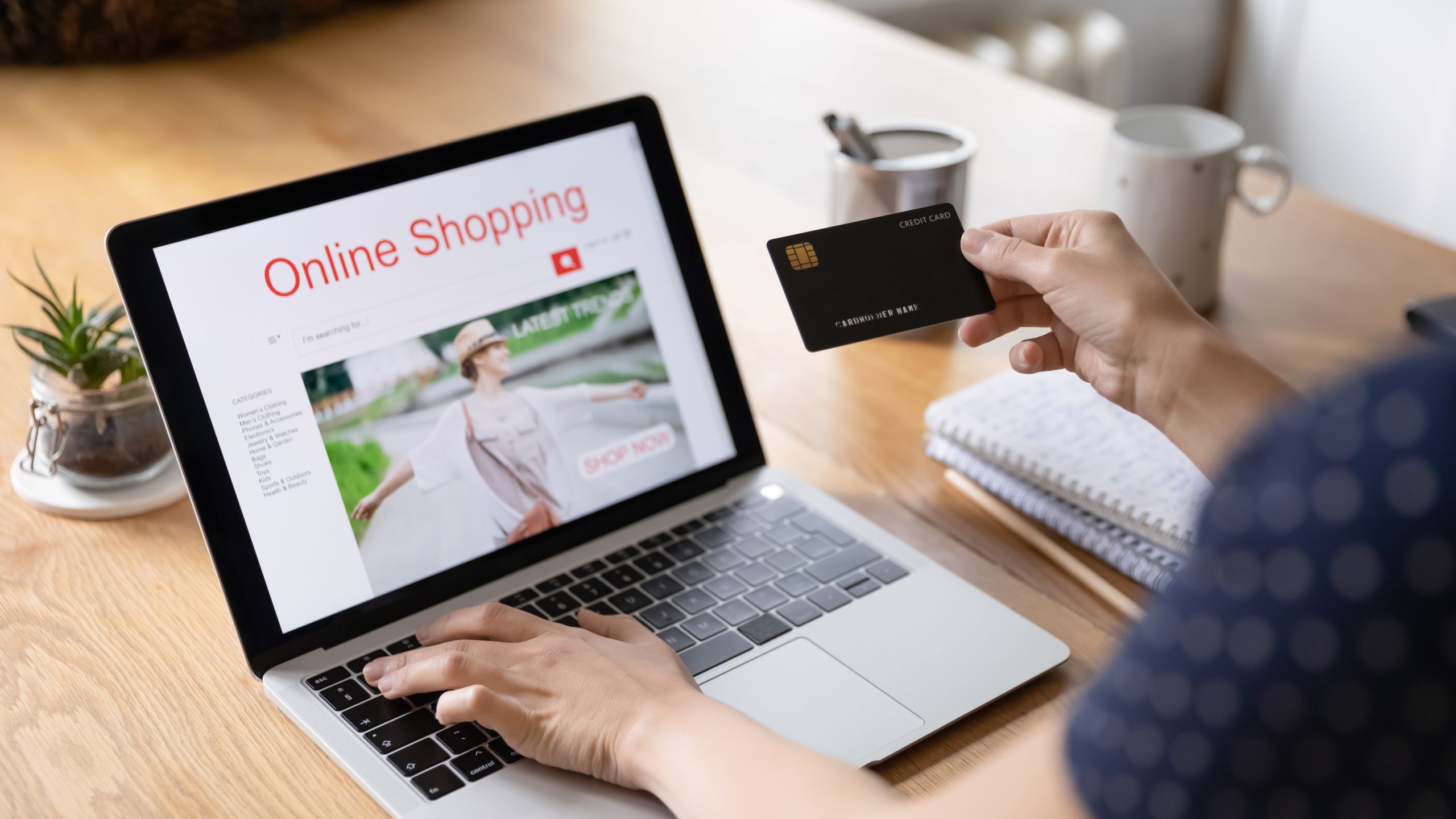
Everyone loves a bargain and come January, online retailers are quick to bombard you with their offers and deals. But beware of online scams that can leave you seriously out of pocket.
While many online sellers are legitimate, scammers use the anonymous nature of the internet to rip off customers, enticing them with luxury items or services at very low prices. They use the latest technology to create their websites, using sophisticated designs and layouts that make it increasingly hard to spot a fake site from a genuine one.
Online shopping scams are also making use of social media platforms to set up or advertise their fake online store. They open the store for a short time, make some sales and then just disappear.
Do not trust a site just because you have seen it advertised or shared on social media. The best way to detect a fake trader or social media online shopping scam is to search for reviews before purchasing.
WARNING SIGNS
Up-front/immediate payments. The biggest warning sign that a retail website is a scam is the method of payment. Scammers will often insist on immediate payment by electronic bank transfer rather than using a card and won’t allow payment by credit card or through a secure payment service such as PayPal.
Too-good-to-be-true offers. Always trust your instincts – if a website is offering a product or service that sounds too good to be true, that’s because it usually is. Be wary also of sites where products have ‘limited availability’ or are on ‘special offer’ to encourage you to act quickly.
Limited information. Be careful of any online retailer that doesn’t provide adequate information about privacy, terms and conditions of use, delivery details, dispute resolution or contact details.
WAYS TO PROTECT YOURSELF
Do your research. If you are making a purchase from a company you haven’t bought from before, do some research prior to payment. You can do this by looking online for positive and negative reviews and whether there are reports of online scams for the business. Remember to also check if the website or social media page has a refund or returns policy.
Pay safely. Only pay for goods using a secure payment service. Look for a URL starting with ‘https’ and a closed padlock symbol, or a payment provider such as PayPal. Think twice before using virtual currencies such as bitcoin—they do not have the same protections as other transaction methods so you can’t get your money back once you send it. Never send money or give credit card or online account details to anyone you don’t know or trust.
Take care with links in emails and texts. Some of the emails and texts you receive about amazing offers may contain links to fake websites or infect your machine with malware that are designed to steal your money and personal data. It’s always good practice to visit a business’ website directly, through the address bar.
Consider using a password manager. Companies often encourage you to sign up before making an online purchase, and you can end up with lots of accounts and the temptation to re-use passwords and usernames. A good way to avoid this is to use a password manager as they remember all of your login details for you, so you can use strong, unique passwords for each of your online accounts, without worrying about losing or forgetting them. The only password you’ll need is the one for the password manager application itself.
HELP! – I THINK I’VE BEEN SCAMMED!
If you have bought something online and there is a problem, you should first try to contact the retailer. There may be a legitimate reason for the problem.
Report potentially compromised bank account, credit or debit card information to your bank immediately. They may be able to cancel or reverse fraudulent transactions.
Check to make sure that your anti-virus is up to date and running and that your system is free of malware and keylogging software.
Change your account passwords. Update your bank, credit card, social media, and email account passwords to try to limit further unauthorised access.
Report the scam. While agencies can’t always track down perpetrators of crimes against scammers, they can use the information gathered to record patterns of abuse which may lead to action being taken against a company or industry.