
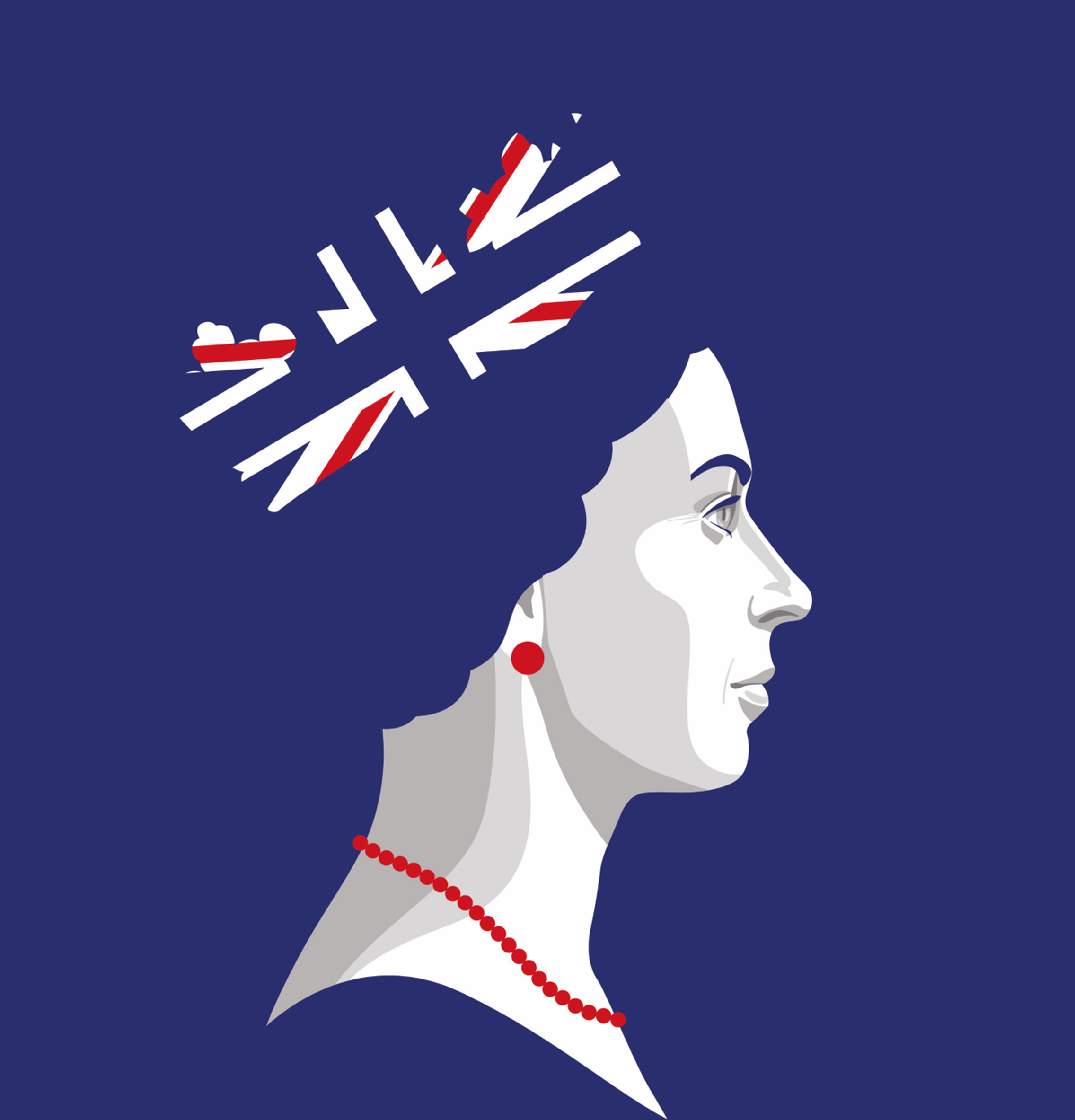
The idea of royal jubilees is, in fact, a relatively new one. They only started being celebrated in the 19th century, and only three British monarchs have achieved their Golden Jubilees after 50 years of reign: King George III, Queen Victoria, and Queen Elizabeth II. But although there aren’t that many in number, royal jubilees have only grown and grown in level of grandness. King George III’s Golden Jubilee in 1809 can be considered mildly extravagant, compared to jubilees that came after it. But it was still a long series of commemorative parties and events, both in Britain and in its colonies. Shops were closed to allow people to celebrate, and monuments and statues were commissioned to mark the occasion. Queen Victoria’s Diamond Jubilee in 1897, at the time marking her as Britain’s longest reigning monarch, was also quite colourful. “The streets, the windows, the roofs of the houses, were one mass of beaming faces, and the cheers never ceased,” the queen wrote in her journal, describing London’s celebrations. The following day, her royal procession to St Paul’s Cathedral was attended by hundreds of thousands of people.
Silver, gold and diamond
But other than competing with her predecessors, Queen Elizabeth II also has her own previous jubilees to compare with. Her Silver Jubilee, marking 25 years on the throne, was celebrated with the now traditional large-scale parties and parades throughout the United Kingdom and the Commonwealth in 1977. For her Diamond Jubilee in 2012, marking 60 years on the throne, a senior advisor was quoted as saying the Queen set two guidelines for the planning: the use of public funds should be minimised and people should not “be forced to celebrate”. But that didn’t minimise the celebrations themselves. Events were planned so as to keep the use of tax money to a minimum, and most funds used to fund celebrations were drawn from private donors and sponsors, but in the end, there was a pageant, numerous commemorative events, and all of Piccadilly in London closed for a giant street party.
Now, we are approaching Her Majesty’ Platinum Jubilee, many are wondering what it will involve. The actual jubilee is on 6th February, but as put by Royal UK – the official website of the British Royal Family: “To celebrate this unprecedented anniversary, events and initiatives will take place throughout the year, culminating in a four-day UK bank holiday weekend from Thursday 2nd to Sunday 5th June.” Some aspects will be the same – there will be a parade in the summer and people are encouraged to organise themselves into another Big Jubilee Lunch, similar to 2012. This will be alongside many other public events and community activities, such as The Queen’s Green Canopy, the Platinum Pudding Competition, and the Platinum Jubilee Concert held at Buckingham Palace, with some of the biggest names in music and entertainment due to perform live. All in all, it looks like the Queen’s Platinum Jubilee will be another great celebration to remember.