
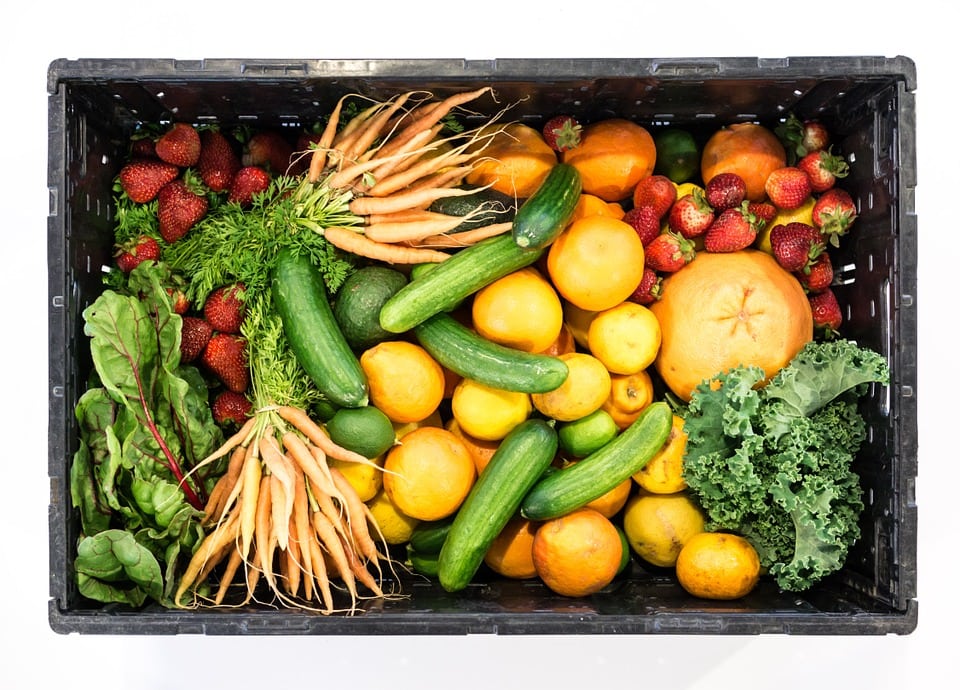
Hands up everyone who has mindlessly placed a punnet of tropical fruit in the shopping basket in the middle of winter. The bright colour of passion fruit brightens up a dark, gloomy day, doesn’t it? But it is not always the best option for our health.
Nutritionists and health professionals have been emphasising the necessity of eating seasonally for a long time. To help their clients lose weight and keep it off, there is often the case for resetting the broken food and hunger mechanism – to restore the equilibrium where hungry means hungry, and not bored, depressed or cranky. In other words, to be in tune with our bodies and to distinguish between a natural craving, for example for a warming soup on a cold day, and the brain’s sneaky trick for a sugar tantrum.
Eating what’s in season helps bring us closer to nature.
Seasonal Is Natural
Eating seasonally is what nature intended – we have evolved to eat what grows in our climate. A refreshing watermelon on a hot summer day is bliss but do we really need it in winter? While there is no need to give up that strawberry on top of a dessert in December, giving some consideration to eating what’s in season is good for our health and wellbeing. So what to do if you were born in the Tropics but live in cold, wet Britain? Humans are an adaptable species, we can adjust to a new climate and what grows in it, within our lifetime. Meanwhile, if you go on holiday to the Caribbean in October, just enjoy the tropical fruit on offer.
Tip: To find out what’s in season, you don’t have to consult a gardener or go shopping armed with charts and lists, simply shop in your local farm shop! Not only are you more likely to get produce grown at our local farms, the staff at the shop will happily tell you where their apples or potatoes come from. They will often even share their recipes!
Seasonal Tastes Best
Fruit ripened in the sunshine tastes better than the variety produced in artificial conditions and flown across the world in the middle of winter. If you have ever tasted a grapefruit minutes after it had been picked off a tree, you will remember the taste forever. You will miss it here in here in Britain. But…
Tip: If you leave a grapefruit to ripen in the sunshine of a south-facing window for a few days, it will become a lot sweeter.
Seasonal Means Nutritious
Nutritional value of fruit and vegetables starts deteriorating as soon as it’s harvested, and the longer it is stored, the more nutrients it loses. If you eat mostly out-of-season produce flown from thousands of miles away, you will miss out on some nutrients. On the other hand, seasonal food delivers a great range of vitamins and minerals which are important for our health and affect many systems of the body.
Research into obesity, weight gain and related health issues has shed some light on the connection between the food we eat and our gut microbes. Very simply put, if we reduce the range of food we eat to heavily processed convenience meals, we drastically reduce the variety and the numbers of our gut microbes. This has been shown to have a number of implications, one of them being weight gain.
Tip: For a nutritionally dense diet, include fruit and vegetables in a rainbow of colours, as fresh and local as possible.
Consider The Cost… To The Wallet And To The Environment
Buying locally is a winner for our environment. The costs of transporting food across the world is usually passed on to the consumer, but even if you don’t mind the price hike on those strawberries in February, their taste and nutritional value will be inferior. Or think about it this way: if we keep supporting the insane trade of flying apples from the other side of the world, our own local farmers will struggle to sell theirs, and before you know it, the apple orchard will exist only as a street name.
When buying local food, you support the farmer who produces it. Let’s cherish the farming hands that feed us.