
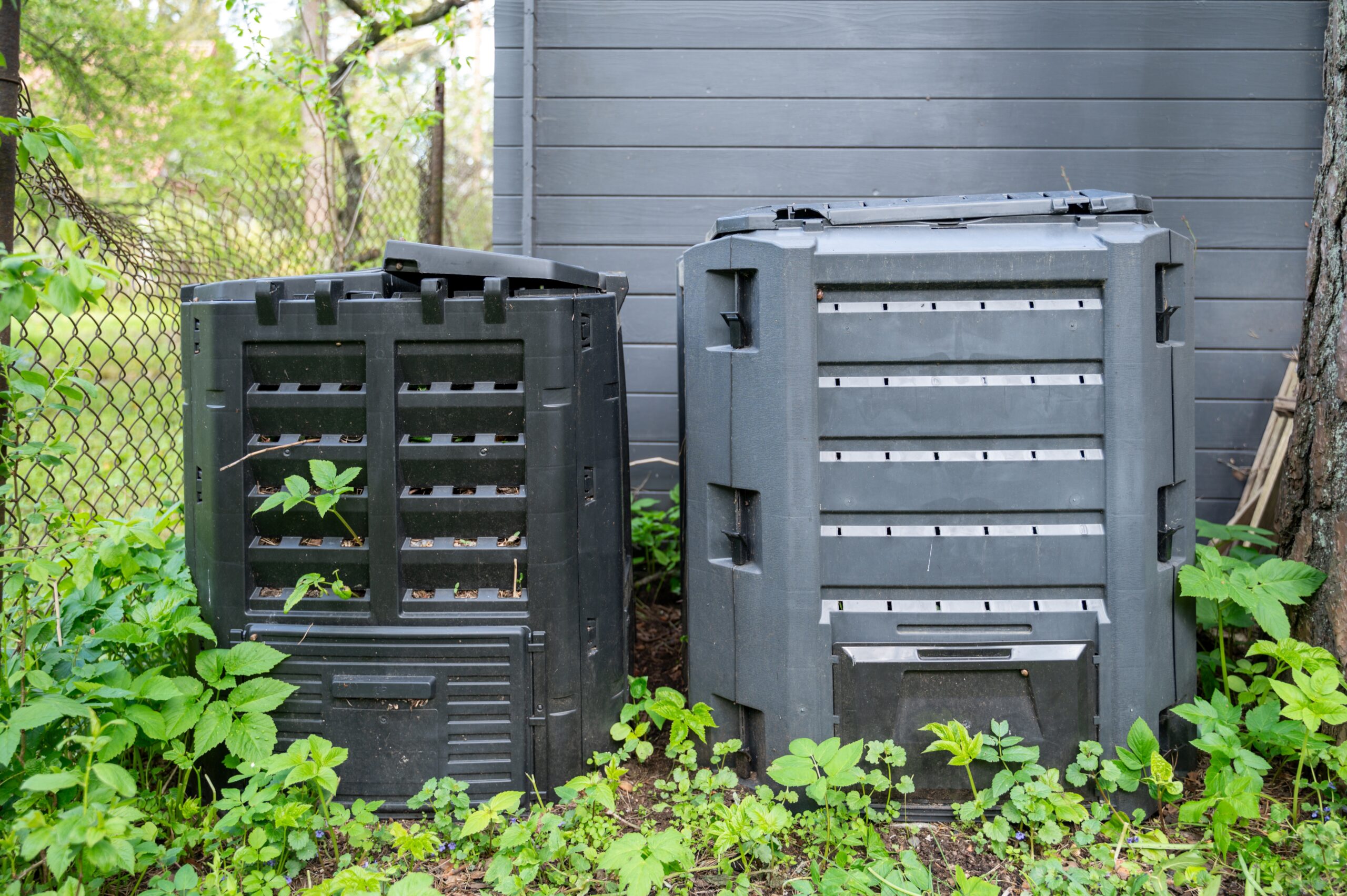
Home composting is an easy and inexpensive way to reduce household waste while creating a nutrient-rich material for your garden. Autumn is an ideal time to begin, as fallen leaves, spent plants and grass cuttings provide plenty of ingredients. Follow these simple steps to create your own successful compost heap.
Choose your composting method
A purpose-made compost bin is tidy, compact and suitable for most gardens. Alternatively, you can build an open heap or make a simple enclosure from wooden pallets. If you have limited outdoor space, consider a small wormery or compact bin designed for a patio or balcony.
Find the right position
Place your bin somewhere that is easy to reach throughout the year. A spot with light shade and some protection from extreme weather is ideal. If possible, stand it directly on soil or grass, allowing worms and other helpful organisms to enter from below. A base of wire mesh can discourage rodents without preventing drainage.
Add a balanced mixture
Successful compost needs a combination of ‘green’ and ‘brown’ materials. Green ingredients are rich in nitrogen and include fruit and vegetable peelings, grass cuttings, coffee grounds, tea leaves and young weeds. Brown ingredients provide carbon and include fallen leaves, cardboard, paper, straw, small twigs and woody garden cuttings.
Aim to add roughly equal amounts of green and brown material. Tear up cardboard and chop larger items into smaller pieces to help them decompose more quickly.
Know what to avoid
Do not add cooked food, meat, fish, dairy products, oils or pet waste to an ordinary garden compost bin, as these can create unpleasant smells and attract pests. Diseased plants, perennial weed roots and weeds that have gone to seed are also best kept out. Avoid glossy paper and cardboard with plastic coatings.
Maintain your compost
The contents should feel damp, like a wrung-out sponge, but not soaking wet. Add dry cardboard or leaves if the mixture becomes soggy. If it looks too dry, add fresh green material or a little water.
Turning the compost with a garden fork every few weeks introduces oxygen and mixes the ingredients, helping everything break down more evenly. An unpleasant smell usually indicates that the heap is too wet or compacted, so add brown material and give it a thorough turn.
Be patient
Depending on the materials, weather and how frequently it is turned, compost can take between six months and two years to mature. It is ready when it is dark, crumbly and smells pleasantly earthy.
Use your finished compost as a soil improver, spread it around established plants or mix it with soil in containers. With a little attention, yesterday’s peelings and garden cuttings can become tomorrow’s valuable growing material.