
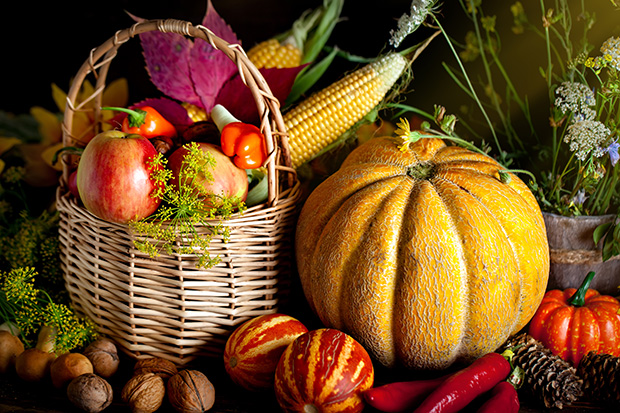
For centuries, harvest festivals have brought communities together to celebrate the gathering of crops and give thanks for the food produced from the land.
Although today’s celebrations are often associated with churches, schools and displays of donated produce, their origins reach far back into Britain’s agricultural past.
Before modern machinery and supermarkets, a successful harvest was vital to a community’s survival. Families depended on locally grown grain, fruit and vegetables to sustain them through winter, so the end of the harvest was both a relief and an occasion for celebration. Similar festivals developed in farming societies around the world.
In Britain, early harvest traditions date back to pre-Christian times. Communities marked the gathering of grain with feasting, music and ceremonies intended to honour the land. One important date was Lammas Day, traditionally observed on 1 August. Its name comes from ‘loaf mass’, when a loaf made from the first wheat of the season was taken to church and blessed.
As Christianity spread, older rural customs gradually became connected with church worship. Harvest celebrations usually took place once the final crops had been gathered, although the date varied according to the weather and progress of the work.
The cutting of the last sheaf of corn was particularly significant. In some areas, it was shaped into a corn dolly, representing the spirit of the crop. The figure was kept through winter and returned to the fields during the following planting season in the hope of bringing another productive harvest.
When the work was complete, farmers traditionally held a harvest supper for their labourers. The occasion featured an abundance of food, plenty to drink along with songs and dancing. It rewarded those who had worked long days in the fields and allowed the community to share in the success of the season.
The modern church harvest festival is generally traced to 1843, when the Reverend Robert Hawker invited parishioners to a special thanksgiving service at Morwenstow in Cornwall. His idea became increasingly popular, and churches began decorating their buildings with flowers, fruit, vegetables and sheaves of corn. Familiar harvest hymns, including We Plough the Fields and Scatter, became an established part of services.
During the 20th century, harvest festivals became common in schools as well as churches. Children brought tins, packets and fresh produce to create displays. Afterwards, the food was distributed to people in need. Many modern collections now support food banks, shelters and community organisations, reflecting present-day needs while preserving the festival’s charitable spirit.
Although few people now work directly in agriculture, harvest remains an important part of rural life. Across villages and farming communities, the season is still marked by church services, suppers, fairs and local events.
Harvest festivals remind us that food does not simply appear on shop shelves. They recognise the work of farmers, the importance of fertile land and our dependence on the natural world. Above all, they continue an ancient tradition of gratitude, generosity and community at a turning point in the year.