
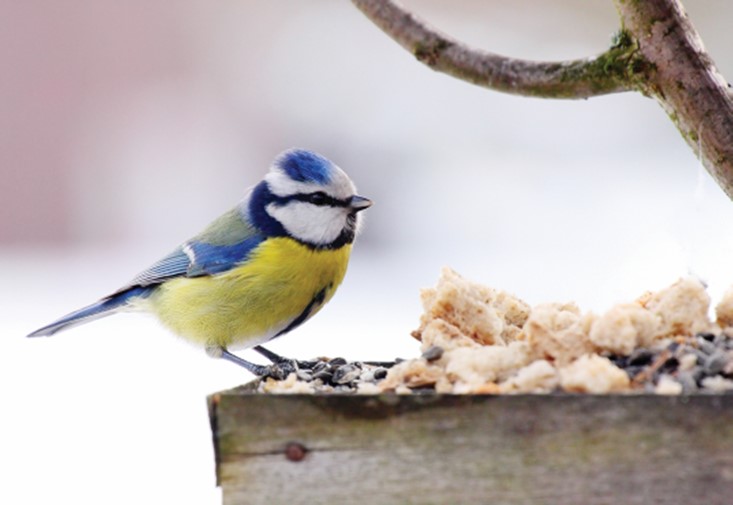
Water, food, a roof over our head. Simple needs to make us feel safe. Did you realise you had so much in common with a sparrow? Plant a flower and you feed his family. Build a bird box, and you build a nest, a home, a place to rest weary wings. Doesn’t it feel good to breathe life into your garden? A few hours outdoors and you’ll have built a life for both of you.
ATTRACTING BIRDS TO YOUR GARDEN
Birds have a lot of purpose. They control pests and improve our garden’s eco-system. But more than that; they bring life, energy and optimism to our outdoor space. They give purpose to us — once they’ve made our patch of the world their own, we have a responsibility to take care of them.
Your garden is a bird’s home and source of food. A sanctuary. Maybe even a place to raise a chick. You don’t have to do a lot to nurture the birds in your garden. And your reward is your very own aviary.
PLANTS TO GROW TO WELCOME THE BIRDS
Insects and other bugs form a major part of a bird’s diet – especially in spring and early summer when parenting is their main focus. By planting anything in your garden, you will encourage insects and help increase natural food levels. Even a humble lawn is a perfect feeding ground for many birds, including robins, blackbirds and song thrushes.
As well as the bugs they attract, plants themselves can be a great natural source of bird food. Choose plants and trees that grow fruit or berries, like pyracantha, holly, berberis, apple trees and pear trees. Or, if you prefer to grow flowers, the seeds of sunflowers, thistles, globe thistles and teasels are a great way to attract tits and finches.
FEED THE BIRDS
Of course, you can feed birds in your garden throughout the year. But feeding becomes even more important over the winter and early spring. Not only are their natural foods like berries and insects likely to be scarce, birds need more reserves of energy to cope with cold weather.
There’s bird-watching benefits for you too; leaving out extra food in winter is a good time to attract birds that are more difficult to spot in summer. Siskins, for example, make good use of garden bird feeders when food is hard to find in their woodland habitats.
CHOOSING THE RIGHT TYPE OF BIRD FOOD FOR A SEED-FILLED SMORGASBORD
Bird food needs to be high in energy and protein. Seeds, nuts and fats are much better options for them than bread. It can take a little while to find out which food the birds in your garden enjoy the most, so experiment with different types until you find their favourite.
You could try bird seed, unsalted plain peanuts, mealworms, fat and suet balls. Be sure to remove any nylon mesh before putting fat and suet balls out for the birds, as this can entangle them.
And don’t waste any food scraps from your kitchen. Cut fruit up to make it easier for the birds to peck at, and pastry (cooked and uncooked), grated mild cheese and even cooked potato can be used as bird food.
DON’T FORGET ABOUT WATER
A bird bath is a simple way to provide birds with fresh water for drinking and bathing. For an easy alternative, fill a plant saucer with water and weigh it down with a few stones. Whatever you use, make sure to clean the bath regularly so that the water stays fresh. Keep an eye on it when the temperature drops. Use warm water to melt any ice so that the birds can continue to bathe and drink throughout the winter months.