
In association with PDSA Petsurance –
Selected by our vets, loved by pets. https://www.pdsa.org.uk/petinsurance 0800 980 6000
A pet’s first experience of fireworks can be crucial – a positive first encounter can prevent a lifetime of fear.
PDSA Vet Nurse, Nina Downing, said: “With fireworks so readily available these days, the season has stretched beyond just one night. This time of year can bring weeks of misery for our pets, with fearful reactions including extreme anxiety, freezing with fear, hiding, destroying furniture, soiling in the house, or even getting injured when trying to run away.”
To try and help reduce this stress, here are PDSA’s top tips on helping pets through fireworks night and New Year celebrations:
Get your pet microchipped, so if they do manage to run away you’re more likely to be reunited.
Make a note of any official events nearby so you can walk dogs earlier in the day.
Make sure rabbits and guinea pigs are brought inside – a few days before is ideal.
Keep doors, windows, cat flaps and curtains closed and secure.
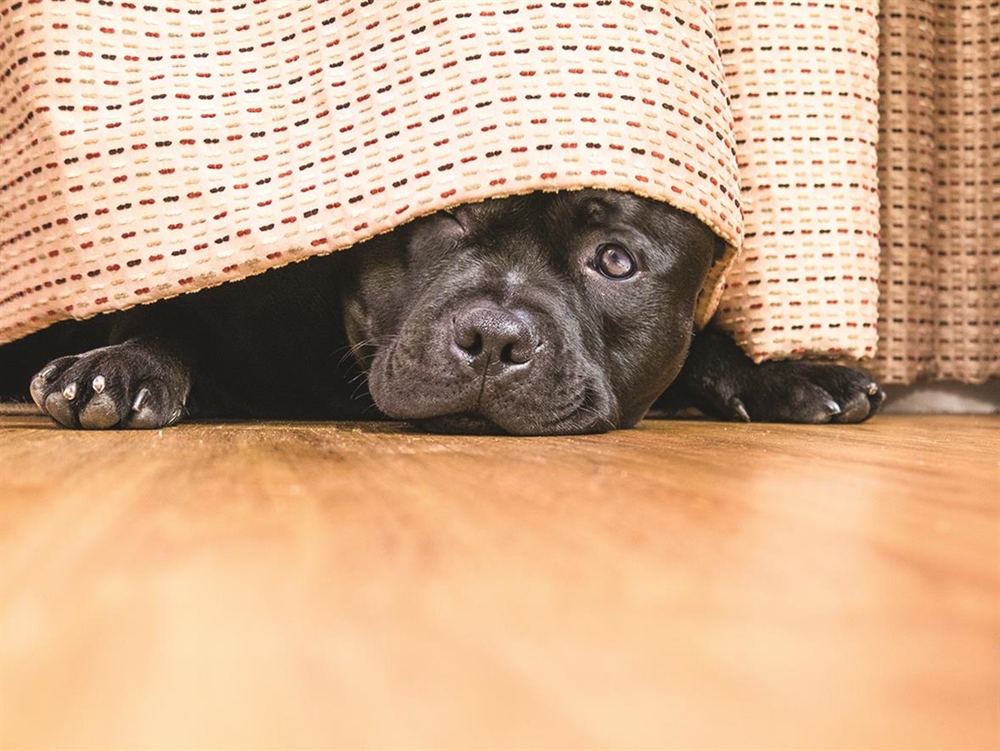
Make a snuggly den for your pet, somewhere they feel safe and can hide if they want to. Don’t try to coax them out as this is their way of coping, and stay nearby so they know you are there.
Playing music with a repetitive beat, or ‘white noise’ can help to mask the sounds.
Try a pheromone diffuser which can help to keep pets calm.
Stay calm yourself – keeping your tone, mood and behaviour as normal as possible will help to reassure them. If you get very anxious, or comfort them more than usual, this can strengthen the perception that there is something to be afraid of.
If your pet usually seeks reassurance from you then comfort them as you normally would. This is a short term solution though, so if your pet is very anxious it’s important to find more long term solutions to help them cope.
Never punish your pet – this just adds to their anxiety and can make things worse.
Nina continued: “Pets have extremely sensitive hearing, so what seems loud to us can be even worse for our pets. Plus they don’t understand what’s causing the loud bangs and flashes, adding to their stress. If your pet has a rough time this Bonfire Night then get help now to prepare them in time for New Year.
“Speak to your vet about seeing an accredited pet behaviourist. With a tailored plan and the right support it is possible to reduce even very severe phobias. This does take time and patience though, but can make a big difference for pets that are very fearful.”