
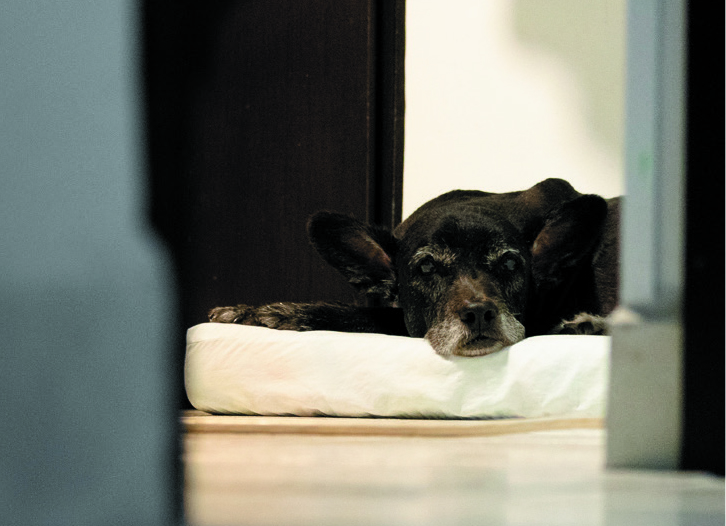
There’s something rather special about sharing your life with an older dog. They have been with us through the ups and downs of family life, know our routines almost as well as we do, and have a way of making themselves completely at home. But as the years pass, their needs inevitably change, and caring for an elderly dog can require a little more patience, understanding and planning.
One of the first things many owners notice is that their dog isn’t quite as sprightly as they once were. Stiffness, particularly in the hind legs, can make getting up, climbing stairs or jumping into the car more difficult. However, growing older doesn’t necessarily mean giving up walks altogether. Shorter, gentler walks can be more enjoyable than a long outing, and allowing your dog to set the pace is important. Keeping them moving, within their capabilities, can help maintain mobility and provide valuable mental stimulation.
There are plenty of simple ways to make life easier at home, too. Non-slip rugs or runners can give an elderly dog more confidence on slippery floors, while a comfortable, supportive bed in a warm, draught-free spot can make resting more pleasant. Raised food and water bowls may also help some dogs, particularly if bending down has become uncomfortable.
Another challenge that can arise in later life is canine cognitive dysfunction, sometimes referred to as ‘doggie dementia’. Affected dogs may become confused, stare into space, wander around at night or appear to forget familiar routines. Some become anxious or unusually clingy.
Keeping life predictable can help. Try to maintain regular mealtimes, walks and bedtime routines, and avoid moving furniture around unnecessarily. Gentle reassurance is often more useful than trying to correct behaviour that your dog can no longer understand. Your vet can also advise on whether dietary changes, supplements or medication might be appropriate.
Incontinence is another issue that can be difficult for both dog and owner. An elderly dog may lose some bladder or bowel control, or become less able to let you know when they need to go outside. More frequent toilet breaks can help, as can washable blankets, waterproof mattress protectors and easily cleaned flooring. Dog nappies are another option for some dogs, although they need to be changed regularly to prevent skin irritation.
It is worth paying attention to grooming and comfort. Older dogs may struggle to keep themselves clean, especially around their back end or paws. Grooming can help, while keeping nails trimmed can make walking more comfortable.
Most importantly, don’t assume that every change is simply ‘old age’. Increased thirst, changes in toileting, sudden confusion, worsening stiffness or a noticeable change in behaviour can sometimes indicate an underlying condition that can be treated or managed. Regular veterinary check-ups become increasingly valuable as dogs get older.
Caring for an elderly dog can sometimes feel like a gradual adjustment to a new way of life. Walks may be shorter, accidents more frequent and nights a little more disrupted. But with a few practical changes, plenty of patience and lots of affection, those later years can still be happy and comfortable – and give us the chance to repay some of the unconditional companionship our faithful friends have given us over the years.